top of page


What Is Worker Voice — and Why Audits Can't Replace It
Worker voice is a worker's ability to influence the conditions of their own working life. Not to be surveyed. Not to be consulted. Not to have a hotline to call. To influence outcomes.
Most companies built their human rights due diligence around social compliance audits — by habit, not legal requirement. CSDDD, LkSG, and France's Duty of Vigilance Law require worker participation and access to remedy. The legislation was built around workers. The industry built its response


The Business Case for Worker Engagement: What Boards, Procurement Teams, and Sustainability Directors Need to Know
CSDDD, LkSG, and France's Duty of Vigilance Law do not require audits. They require worker engagement. Here is the regulatory, risk management, supplier ROI, and board-level evidence — and what to say to the people in your organization who are not yet convinced.


Worker-Driven Due Diligence Is Not a Project. It's a Practice.
CSDDD requires ongoing worker engagement — not a one-time survey. Here’s what the annual Worker-Driven Due Diligence cycle looks like in practice: four stages, run in sequence, every year, because human rights is a practice, not a project.


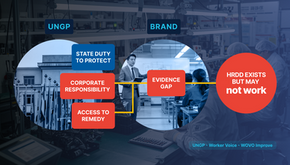
Most Brands Cite the UN Guiding Principles. Few Can Evidence Them. Here’s the Architecture That Changes That.
Most companies reference the UNGPs in their sustainability reports. Few can demonstrate compliance at the worker level. The WELL Survey and WOVO Improve are built to close that gap — mapping every principle to structured, auditable evidence.


Building Supplier Capacity on Human Rights and Environmental Due Diligence (HREDD) Through Scalable E-Learning
Learn how a free, multilingual HREDD supplier training program helps suppliers translate due diligence standards into practical, day-to-day implementation.


Operational Grievance Mechanisms: What Buyers Should Look For — and Why Utilization Matters
Learn why operational grievance mechanisms are only effective when workers actually use them. This article explains how utilization reveals real risks, builds trust, and strengthens human rights due diligence. Discover practical strategies to boost awareness, accessibility, and responsiveness so grievances become meaningful tools for worker protection and continuous improvement.
bottom of page